5 Common Construction Safety Mistakes That Cause Delays and Accidents
Introduction
Construction safety plays a much bigger role in project success than many realize. When safety practices slip, work slows down. Crews lose confidence. Inspections increase. And once an incident happens, recovery is never quick.
I’ve noticed that most construction safety issues don’t start with dramatic failures. They usually begin with small decisions that feel harmless at the time — skipping a quick check, trusting equipment because it “worked yesterday,” or pushing through because the schedule is already tight.
On active job sites, especially industrial ones, those small decisions add up fast. That’s usually when delays show up, followed closely by incidents no one planned for.
Below are five common construction safety mistakes that continue to cause problems on job sites, along with practical ways to reduce their impact.
1. Treating Safety Planning as Paperwork
One of the most common construction safety mistakes happens before work even starts. Safety planning gets done, but only to satisfy a requirement.
Many projects rely on generic safety documents that are reused over and over. On paper, everything looks fine. On site, conditions are different. Access points change, work scopes evolve, and new hazards appear.
When safety planning doesn’t reflect what’s actually happening, workers are forced to make quick decisions without proper guidance.
The better approach is simple. Walk the site. Talk through the work. Identify the tasks that carry the highest risk and address them early. Construction safety planning works best when it’s practical and flexible, not just complete.
2. Assuming Everyone Understands the Risks
Poor communication is one of the most overlooked construction safety problems.
On busy job sites, information moves fast. New workers arrive. Subcontractors rotate. Instructions get passed along quickly, sometimes without enough detail. It’s easy to assume everyone understands the plan, even when they don’t.
This is how small misunderstandings turn into serious incidents.
Short, focused safety conversations make a difference. They don’t need to be long or formal. What matters is that workers know what hazards to expect that day and feel comfortable speaking up when something doesn’t seem right.
Clear communication strengthens construction safety and reduces mistakes that lead to injuries and downtime.
When Production Pressure Takes Over
One thing that rarely gets talked about honestly is how production pressure quietly weakens construction safety.
No one says “ignore safety,” but when deadlines tighten, the message can feel implied. People rush. Shortcuts start to look reasonable. That’s when problems creep in — not because workers don’t care, but because the pace leaves little room to slow down.
This pressure shows up most clearly during shutdowns, tight turnarounds, and critical project phases. Recognizing it early helps prevent bigger issues later.
3. Taking Scaffolding and Access for Granted
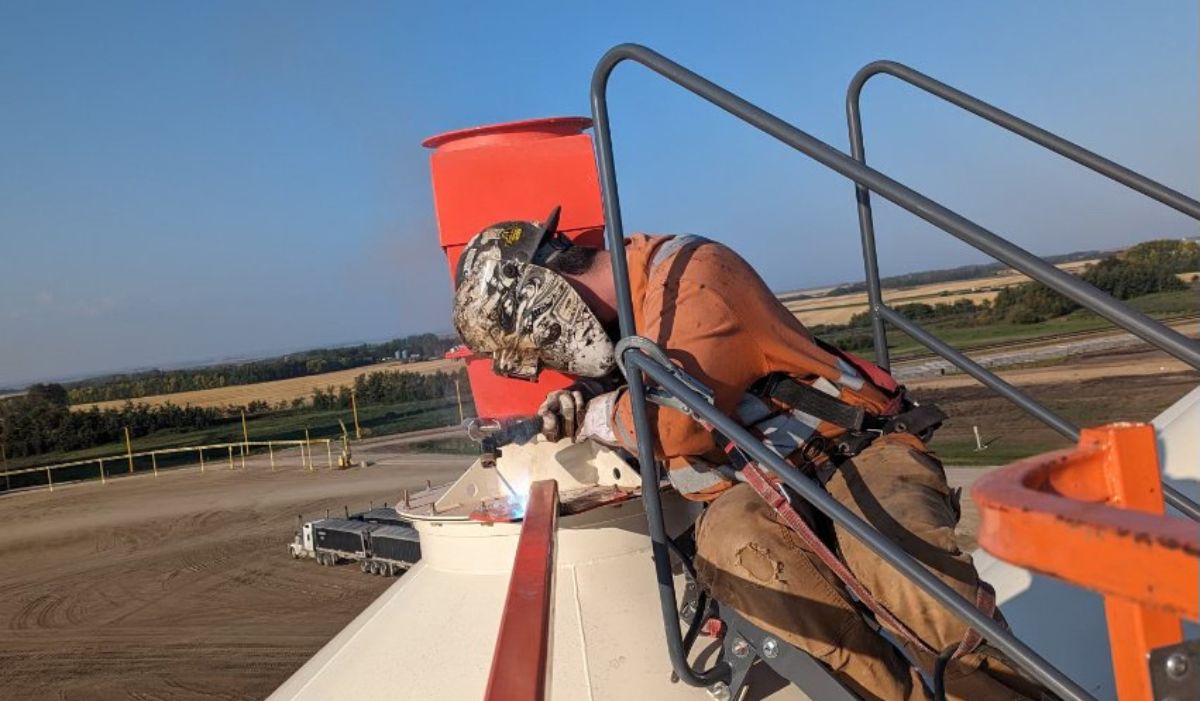
Falls remain one of the leading causes of construction injuries, and scaffolding is often involved.
Scaffolding problems usually don’t come from a single failure. They develop when inspections are skipped, platforms are modified without review, or load limits slowly increase over time.
When access systems are treated as temporary or secondary, risks increase quickly.
Strong construction safety practices around scaffolding include regular inspections, clear access routes, and making sure everyone using the system understands how it’s meant to be used. Safe access is not optional. It’s foundational.
4. Letting Equipment Maintenance Slide
Equipment failures rarely happen without warning. Most are the result of delayed maintenance or ignored warning signs.
When tools and machinery aren’t maintained properly, they become unreliable. Breakdowns happen. Work stops. Safety risks increase for operators and nearby workers.
Preventive maintenance doesn’t need to be complicated. Routine checks, clear reporting, and removing damaged equipment from service go a long way. Reliable equipment supports construction safety and keeps projects moving.
5. Enforcing Safety Rules Inconsistently
Safety rules only work when they’re enforced consistently.
When workers see rules applied some days and ignored on others, shortcuts become normal. Over time, unsafe behavior feels acceptable, especially when schedules are tight.
Strong safety cultures apply expectations evenly. Experience level doesn’t matter. Job title doesn’t matter. Consistency builds trust and reinforces that construction safety is a priority, not an afterthought.
How Construction Safety Mistakes Cause Delays
Safety incidents rarely affect only one task. A single issue can lead to:
- Work stoppages
- Inspections and rework
- Lost productivity
- Missed deadlines
In many cases, delays cost more than the original safety investment would have.
Why Better Construction Safety Improves Productivity
There’s a common belief that safety slows work down. In reality, safer sites tend to run more smoothly.
When construction safety is part of daily operations, crews work with more confidence. Interruptions decrease. Planning becomes more accurate. Projects move forward with fewer surprises.
Safety and efficiency usually improve together.
Regional Conditions Matter More Than People Think
In regions like Saskatchewan, construction safety is affected by more than just the work itself. Weather changes how sites operate. Cold, wind, and shorter daylight hours add risks that generic safety plans often overlook.
These conditions don’t always stop work, but they do require different decisions around access, equipment use, and scheduling — especially on industrial and maintenance projects.
Ignoring local conditions is another way small safety issues turn into larger problems.
Final Thoughts
Construction safety doesn’t fail all at once. It erodes slowly through rushed planning, weak communication, skipped inspections, and inconsistent enforcement.
Addressing these issues doesn’t require complex systems or endless paperwork. It requires attention, follow-through, and a willingness to deal with problems before they become incidents.
When construction safety is treated as part of how work gets done — not something separate — projects run better, people stay safer, and delays become far less common.