Industrial Scaffolding Cost Factors: What Drives the Price of Scaffolding Rental and Installation
If you’ve ever asked three scaffolding companies for a quote and gotten three very different numbers, you’re not alone. Scaffolding cost isn’t a fixed number you can look up in a price list. It moves based on the site, the job, the season, and even how far your crew has to travel to get there. For anyone planning an industrial project on a mining site, an ag facility, or a manufacturing plant, understanding what actually drives scaffolding cost helps you budget properly and avoid getting blindsided by a quote that’s twice what you expected.
This guide breaks down the real factors behind scaffolding cost, what separates rental pricing from installation pricing, and the site conditions that most cost guides never mention.
What Affects Industrial Scaffolding Cost on a Prairie Job Site
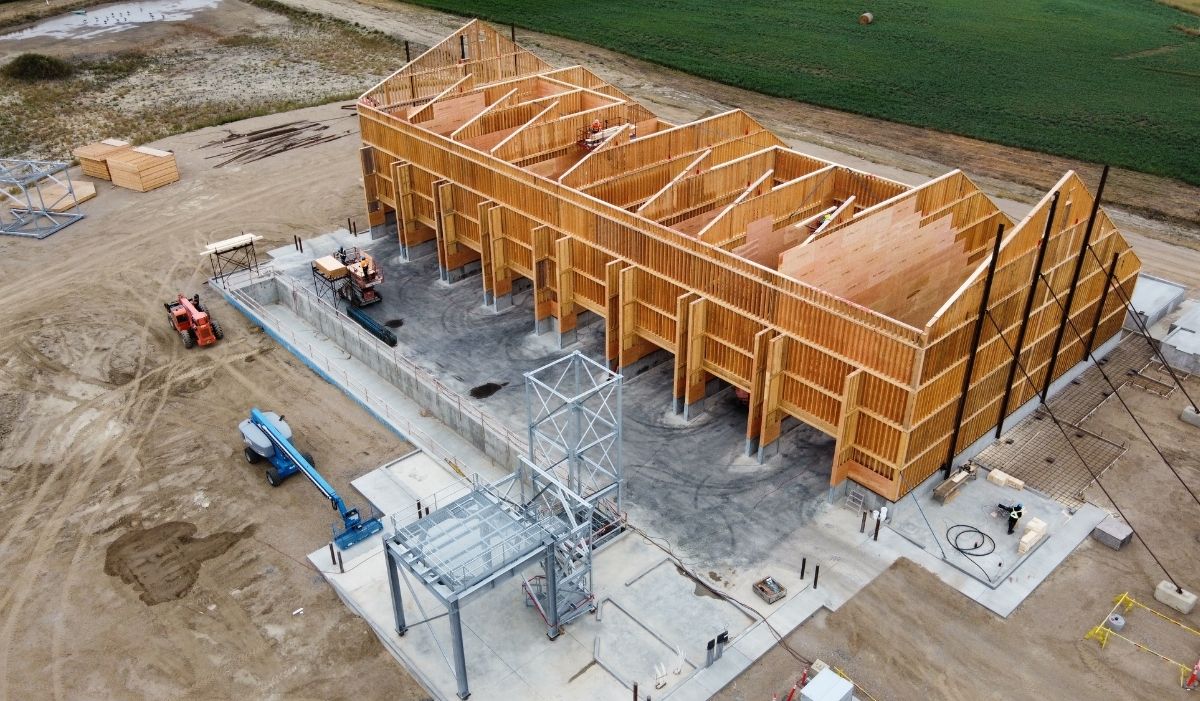
Most articles on scaffolding cost are written for general contractors working on a downtown building in a city with easy access, mild weather, and a supplier ten minutes away. That’s not how industrial scaffolding cost works in Saskatchewan or Alberta. Mining and agricultural sites are often remote, spread across large footprints, and exposed to weather that can shut down a job for days.
A few things that change the math on the prairies:
- Distance from supply yards. Hauling scaffold material 45 minutes to a rural facility costs more than delivering to a site five minutes from the yard. That freight cost gets built into your quote.
- Site access. Uneven ground, gravel roads, or restricted plant access can slow down mobilization, which adds labour hours before a single scaffold pole goes up.
- Weather windows. Prairie winters aren’t just cold, they’re a scheduling problem. Crews need extra time for cold-weather procedures, and short daylight hours in December and January stretch out install timelines.
- Shutdown scheduling. Mining and ag facilities often need scaffolding built and torn down within a tight shutdown window, which sometimes means paying for extra crew to hit the deadline.
If your project falls into one of these categories, it’s worth asking your scaffolding contractor directly how these site conditions affect your number, rather than comparing against a generic online estimate.
Breaking Down the Cost of Scaffolding Rental
The cost of scaffolding rental usually comes down to four main variables. Once you understand these, quotes from different companies start making a lot more sense.
Scaffold Type and Material
Frame scaffolding is generally the cheapest option and works well for straightforward, lower-height jobs. System scaffolding costs more upfront because it’s modular and adjusts to complex shapes, but it often saves money on labour because it goes up and comes down faster. If your project needs a stair tower, crash deck, or hoarding, expect the price to climb since these require more engineering and material. You can see the range of solutions we typically build for industrial clients on our industrial scaffolding services page.
Height and Complexity
Cost doesn’t rise in a straight line with height. A 60-foot scaffold isn’t just double the price of a 30-foot one, it usually costs more per foot because of added bracing, tie-ins, and fall protection requirements as you go higher. Irregular shapes, obstructions like piping or conveyors, and multiple access points also add labour time.
Rental Duration
Scaffolding rental is typically billed weekly or monthly after the initial setup. Short-term jobs pay a
higher daily rate because the setup and takedown cost gets spread over fewer days. Longer rentals bring the daily rate down but tie up more scaffold inventory, which is one reason some companies charge a premium if a job runs well past its original schedule.
Delivery and Site Location
As mentioned above, this is a bigger swing factor for industrial and rural sites than most cost guides admit. Always ask whether delivery and pickup are included in a quoted price or billed separately.
Installation Costs vs Rental Costs — What’s Included
One of the most common points of confusion is the difference between renting scaffold material and paying for installation. They’re not the same line item, and mixing them up is how budgets go sideways.
Rental cost covers the material itself, the physical frames, planks, braces, and ties, for the time you have it on site. Installation cost covers the labour to design, erect, inspect, and eventually dismantle that scaffold. On an industrial job, installation is usually the bigger portion of your total scaffolding cost, not the rental fee.
A proper installation quote should include:
- Engineering or design drawings for complex structures
- Erection labour, often billed per scaffold segment or by crew-hours
- A documented inspection before handover
- Dismantle and removal labour at project end
If a quote looks unusually low, check whether it’s only covering rental and leaving installation as a separate estimate to follow. That’s a common way project budgets get underestimated early on.
Hidden Costs That Push Up Industrial Scaffolding Cost
These are the line items that catch people off guard, mostly because they don’t show up until partway through a project.
- Permits and engineering sign-off. Taller or load-bearing scaffolds may need a stamped engineering drawing, which adds cost and lead time.
- Re-inspections. Scaffolding needs to be checked regularly, and if a scaffold sits for weeks during a longer shutdown, expect follow-up inspections built into the price.
- Modifications mid-project. Adding a platform, extending height, or relocating a section partway through a job costs more than planning it correctly the first time.
- Weather delays. Wind holds, cold-weather protocols, and rescheduled crews all add hours that weren’t in the original estimate.
- Damage or loss waivers. Some rental agreements include a fee to cover material that’s damaged or goes missing on a busy industrial site.
None of these are red flags on their own. They’re just easier to plan for once you know they exist. A contractor who lists them upfront is usually more trustworthy than one whose quote looks suspiciously simple.
Seasonal and Regional Factors in Canada
Scaffolding cost in Canada isn’t the same in July as it is in January. Winter installs need extra time for frost heave checks, ice management, and cold-weather material handling, all of which add labour hours. Spring thaw can also delay mobilization if site ground conditions turn to mud.
Regionally, industrial scaffolding cost in Saskatchewan and Alberta tends to reflect the concentration of mining and agricultural work in the area. Busy shutdown seasons, usually spring and fall, mean scaffold crews and equipment are in higher demand, which can push pricing up compared to quieter months. If your project has flexibility on timing, scheduling outside peak shutdown season can sometimes bring costs down.
For more detail on how scaffolding gets used across different building and industrial projects, our post on scaffolding in building construction covers the main types and where each one fits.
How to Get an Accurate Scaffolding Cost Estimate
The best way to avoid surprise costs is to give your scaffolding contractor as much detail as possible upfront. That includes site access conditions, expected duration, height and load requirements, and whether the work falls inside a shutdown window. A contractor who asks detailed questions before quoting is usually giving you a more accurate number than one who quotes off a quick phone call.
It also helps to ask directly whether a quote includes delivery, dismantle, inspections, and any engineering costs, rather than assuming they’re bundled in. Getting this in writing before the job starts saves a lot of back-and-forth later.
For safety-related budgeting, it’s also worth reviewing our guide on system scaffold safety practices, since proper inspection and safety protocols factor into both the cost and the timeline of a project.
Quick Cost Comparison
These are rough, general ranges meant to give a sense of scale, not a quote. Actual industrial scaffolding cost depends heavily on the factors above.
| Factor | Lower Cost Scenario | Higher Cost Scenario |
| Scaffold type | Basic frame scaffold | System scaffold with custom platforms |
| Height | Under 20 feet | Over 50 feet |
| Site access | Easy, close to supply yard | Remote, rural, restricted access |
| Duration | Short-term rental | Extended shutdown rental |
| Season | Summer install | Mid-winter install |
Frequently Asked Questions
What is the average cost of scaffolding rental for an industrial site?
There’s no single average that applies across industries, since site access, height, and duration all shift the number significantly. A contractor can only give an accurate figure after reviewing your specific project details.
Does industrial scaffolding cost more than commercial scaffolding?
Often yes, mainly because industrial sites are more likely to be remote, involve taller or more complex structures, and require tighter scheduling around shutdowns.
Is installation included in a scaffolding rental quote?
Not always. Rental usually covers the material itself, while installation labour, inspections, and dismantle are frequently quoted separately. Always confirm what’s included before comparing quotes.
Can scaffolding cost change once a project starts?
Yes. Mid-project modifications, weather delays, and extended rental periods beyond the original schedule are common reasons a final cost differs from the initial estimate.
How can I lower my scaffolding cost without cutting corners on safety?
Planning height, layout, and duration accurately from the start, scheduling outside peak shutdown season where possible, and choosing a contractor who explains all line items upfront are the most reliable ways to keep costs predictable.
Final Thoughts
Scaffolding cost comes down to more than just square footage and rental days. Site access, weather, scaffold type, and how well a project is planned before the crew shows up all play a role. Working with a contractor who understands prairie job sites, and who’s upfront about what’s included in a quote, makes it much easier to budget accurately and avoid mid-project surprises.
If you’re planning an upcoming shutdown, build, or maintenance project and want an accurate scaffolding cost estimate for your site, get in touch with our scaffolding team to talk through your project details.