The Role of Industrial Millwrights in Large-Scale Construction Projects
On large construction projects, problems usually don’t come from a single big mistake. Instead, they often start as small issues that go unnoticed early, like equipment that doesn’t fit, access that isn’t well planned, or installations that become tricky once other work begins.
This is where industrial millwrights make a real difference.
Millwrights do more than just install machinery. They understand how equipment, structures, and people work together once construction begins. On big industrial and commercial projects, this knowledge can mean the difference between smooth progress and constant changes.
What Industrial Millwrights Actually Do on Site
People often call industrial millwrights equipment specialists, but that’s only part of what they do. On big projects, their work begins well before the equipment is up and running.
They are involved in:
- Positioning and installing heavy machinery
- Aligning rotating equipment to tight tolerances
- Working from technical drawings that leave little room for error
- Coordinating with welders, pipefitters, electricians, and engineers
- Supporting testing and startup once installation is complete
Their main goal is simple but important: making sure equipment is installed so it works reliably, both right away and for the long term.
Why Industrial Millwrights Matter on Large Projects
Large construction projects are complex. Equipment is larger, spaces are tighter, and deadlines are stricter. Small installation problems that are easy to fix on smaller jobs can quickly turn into expensive issues on big projects.
Industrial millwrights lower these risks by spotting problems early. Things like misalignment, clearance issues, or poor installation plans are much easier to fix during planning than after construction has started.
Their practical advice helps keep projects on schedule, within budget, and safe.
The Value of Early Millwright Involvement
Timing is one of the biggest challenges on large projects. If millwrights join late, they are often expected to “make it work” within limits that could have been avoided.
Early involvement allows industrial millwrights to:
- Review equipment layouts with installation in mind
- Identify access or lifting limitations
- Suggest sequencing adjustments that improve efficiency
- Flag maintenance or service issues before equipment is locked in place
Getting millwrights involved early helps with better construction planning and cuts down on rework later.
Supporting Constructability in Real Conditions
Plans may look fine on paper but can be hard to carry out in real life. Industrial millwrights are important in constructability reviews because they consider how the work will actually happen on site.
They ask practical questions:
- Can equipment be installed safely with the available space?
- Is there enough room for rigging and alignment work?
- Will other trades interfere during installation?
- Can the equipment be serviced once construction is complete?
Asking these questions helps prevent delays when crews start work.
Working Alongside Other Trades
Industrial millwrights usually work with other trades. Their jobs often overlap with steel installation, welding, piping, electrical work, and scaffolding. On big projects, poor coordination between trades can slow progress.
Millwrights help keep work moving by:
- Coordinating installation timing with other trades
- Identifying conflicts before they affect progress
- Communicating installation requirements clearly
- Adjusting sequencing when site conditions change
Good coordination leads to better project management in construction, where timing and communication are just as important as technical skills.
Equipment Installation Is Where Precision Matters Most
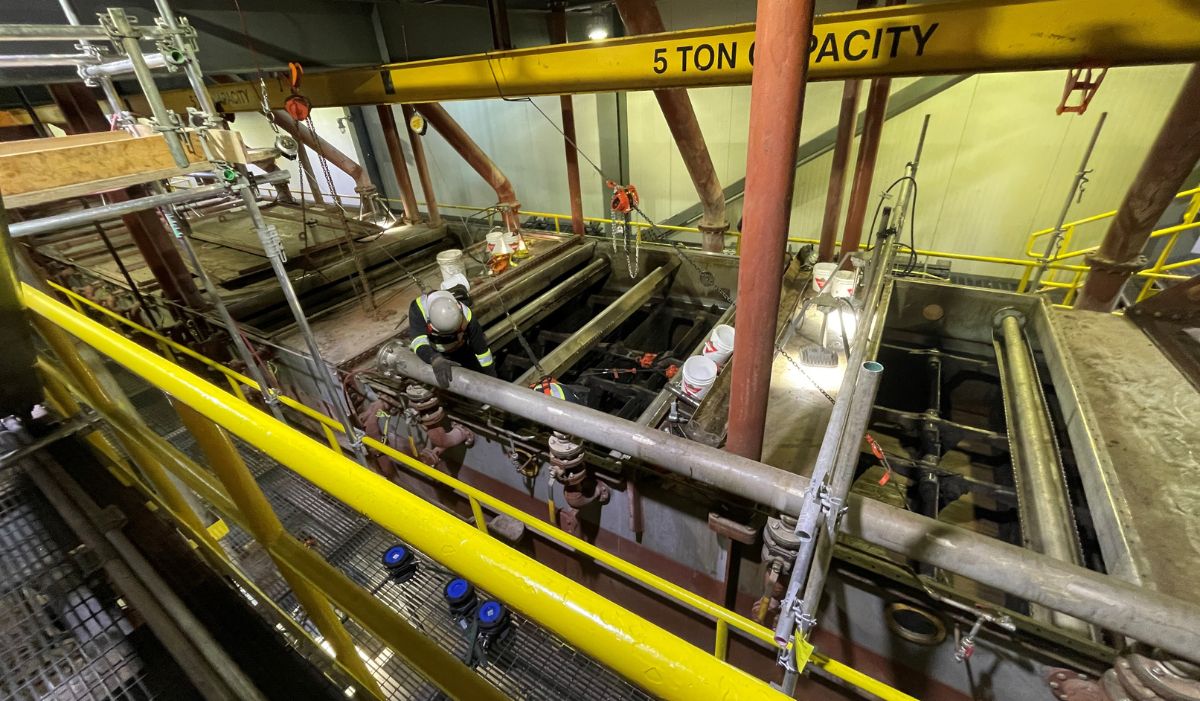
Installing industrial equipment involves more than just putting it in place. Alignment, leveling, anchoring, and tolerances all affect how the equipment works once it’s running.
Industrial millwrights focus on getting these details right:
- Proper alignment to reduce vibration and wear
- Accurate leveling to protect bearings and components
- Secure anchoring that supports long-term operation
- Verification against design specifications
Mistakes made during installation are hard to fix later and often cause reliability problems.
Industrial Millwrights During Shutdowns and Turnarounds
Many large projects happen during planned shutdowns or turnarounds, when time is short and pressure is high. In these cases, millwright experience is especially valuable.
Industrial millwrights support shutdown work by:
- Removing and reinstalling equipment efficiently
- Working within tight, predefined time windows
- Coordinating closely with operations and maintenance teams
- Supporting quick startup once work is complete
Their skill at working accurately under tight deadlines helps reduce downtime.
Safety Is Part of the Millwright Role
Installing large equipment is risky. Lifting, working in tight spaces, and handling heavy parts all need careful planning.
Industrial millwrights contribute to safer sites by:
- Planning lifts and installations carefully
- Identifying hazards before work begins
- Coordinating access and work sequencing
- Following established safety procedures
This approach fits well with general construction safety practices, like those discussed here:
Experience Makes a Noticeable Difference
No two large projects are alike. Experienced industrial millwrights can spot patterns and predict problems that don’t always show up in plans or schedules.
That experience helps them:
- Adjust installation methods when conditions change
- Spot potential problems early
- Communicate clearly with other trades
- Keep work moving without unnecessary rework
This kind of judgment comes only from real-world experience.
Long-Term Impact on Project Performance
The quality of millwright work affects more than just the construction schedule. It also impacts how equipment performs for years after the project is finished.
Good millwright installation supports:
- Improved equipment reliability
- Lower maintenance requirements
- Better operational efficiency
- Reduced downtime over the life of the facility
On large projects, these long-term benefits are just as important as finishing on time.
Final Thoughts
Industrial millwrights are essential on large construction projects, especially when there’s complex equipment and tight deadlines. Their work links planning to execution and helps make sure systems work as intended after construction ends.
When millwrights are involved early, their work is well coordinated, and their experience is valued, large projects are more likely to avoid delays and achieve better long-term results.