
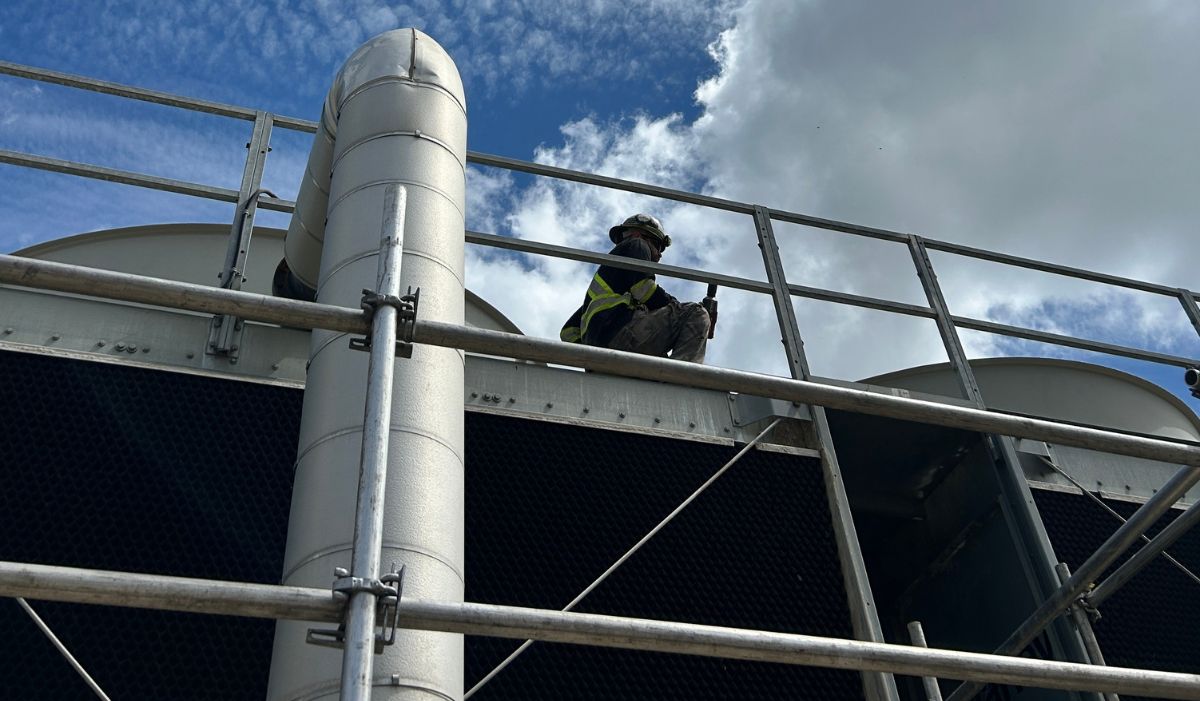
How to Choose the Right Industrial Maintenance Contractors in Saskatchewan: A Practical Guide for Plant Managers and Facility Operators
In the high-stakes world of Saskatchewan’s industrial landscape—from the massive potash mines in the south to the northern uranium operations and the bustling grain terminals in between—reliability is the only currency that matters. For a plant manager, the machinery is the heartbeat of the operation. When that heartbeat skips a beat, the financial consequences are measured in tens of thousands of dollars per hour.
Finding the right industrial maintenance contractors isn’t just about outsourcing labor; it’s about choosing a strategic partner who understands that in the Canadian Prairies, “downtime” is treated like a dirty word. This guide provides a roadmap for facility operators to vet, select, and partner with maintenance experts who can actually move the needle on productivity.
1. The Saskatchewan Context: Why Local Knowledge Matters
Saskatchewan presents unique environmental and logistical challenges that generic, out-of-province contractors often overlook.
- Extreme Thermal Cycles: Equipment must be maintained to withstand a 70-degree temperature swing between summer and winter. This affects metal fatigue, lubrication viscosity, and structural integrity.
- Sector-Specific Standards: Maintaining a potash refinery is vastly different from maintaining a canola crush plant. The corrosive nature of salt and potash requires specialized knowledge of coatings and steel fabrication.
- Logistical Speed: In an emergency breakdown, you cannot wait for a crew to drive in from a distant province. Local industrial maintenance contractors offer the rapid mobilization necessary to save a production cycle.
2. Safety Compliance: The “Non-Negotiable” Pillar
In modern industrial operations, safety is the primary metric of a contractor’s professional health. Before discussing rates or schedules, look for these “Gold Standards”:
COR Certification
The Certificate of Recognition (COR) is the hallmark of a contractor who has undergone rigorous third-party audits of their safety management system. It isn’t just paperwork; it’s proof that the crew on your site will work safely, reducing your liability and ensuring everyone goes home at the end of the shift.
Pre-qualification Portals
Top-tier industrial maintenance contractors maintain active, high-ranking profiles on platforms like ISNetworld, Avetta, and ComplyWorks. If a contractor isn’t already active on these platforms, they likely aren’t prepared for the compliance demands of major Saskatchewan industrial sites. At Credence, we prioritize these construction solutions to ensure our clients have zero friction during the hiring process.
3. Assessing Technical Depth: Beyond the Wrench
Maintenance is no longer just about “fixing what’s broken.” It’s an engineering-led discipline. When interviewing potential industrial maintenance contractors, ask about their expertise in the following areas:
Precision Millwrighting
The difference between a pump lasting six months or six years often comes down to the initial alignment. Ensure your contractor employs certified tradespeople who understand the nuances of millwright certification. Precision leveling and laser alignment are not “extras”—they are essentials.
Integrated Scaffolding
Efficiency is killed by waiting on secondary contractors. If a maintenance crew needs to wait three days for a third-party scaffolding company to build a platform, your downtime doubles. Look for contractors who provide integrated industrial scaffolding services. This vertical integration keeps the project timeline under one roof.
4. Maintenance Philosophy: Predictive vs. Preventative
The most sophisticated industrial maintenance contractors in Saskatchewan will challenge your current maintenance schedule. They should move you away from “Run-to-Failure” and toward a more intelligent model.
- Preventative Maintenance: Routine, calendar-based tasks (oil changes, filter replacements, inspections).
- Predictive Maintenance: Data-driven maintenance based on the actual condition of the machine (vibration analysis, thermography, oil analysis).
A great contractor will help you understand the predictive vs. preventative maintenance balance, ensuring you aren’t over-maintaining healthy machines or ignoring “ticking time bombs.”
5. Capacity for Major Shutdowns and Turnarounds
Can your contractor handle the scale? Daily maintenance is one thing; a 14-day total facility turnaround is another. You need to know that your partner has the “manpower depth” to provide 24/7 coverage during a shutdown without burning out their crew or compromising quality.
Ask for case studies where they have successfully managed large-scale repair and maintenance projects under tight deadlines. Their ability to manage “The Surge” is what defines a top-tier industrial partner.
6. Transparency and Documentation
In an era of strict regulatory oversight, “take my word for it” doesn’t work. Professional industrial maintenance contractors provide:
- Detailed work orders and completion reports.
- Material tracking and QA/QC documentation for all fabrications.
- Clear, honest communication regarding project delays or unforeseen mechanical issues.
Conclusion: Building a Partnership, Not Just a Vendor List
Choosing the right maintenance partner in Saskatchewan is a decision that impacts your bottom line for years to last. By prioritizing safety, local expertise, and technical depth, you ensure that your facility remains a leader in production rather than a victim of downtime.
At Credence Construction, we don’t just offer labor; we offer peace of mind. Our roots in the Saskatchewan industrial sector mean we understand the pressure you are under—and we have the certified expertise to help you meet it.
1 Comment
Comments are closed.